The Definitive Guide to Pallet Liquidation: Strategies for Informed Buyers
Pallet liquidation presents a distinctive advantage for purchasers looking for reduced-price stock. Grasping the complexities of this industry is critical for achieving results. From identifying reliable platforms to evaluating product conditions, the process requires careful consideration. Moreover, circumventing typical errors can considerably affect projected returns. As entrepreneurs explore the various strategies for effective reselling, they must also be aware of the inherent risks involved. The following actions may shape their strategy for optimizing profits.
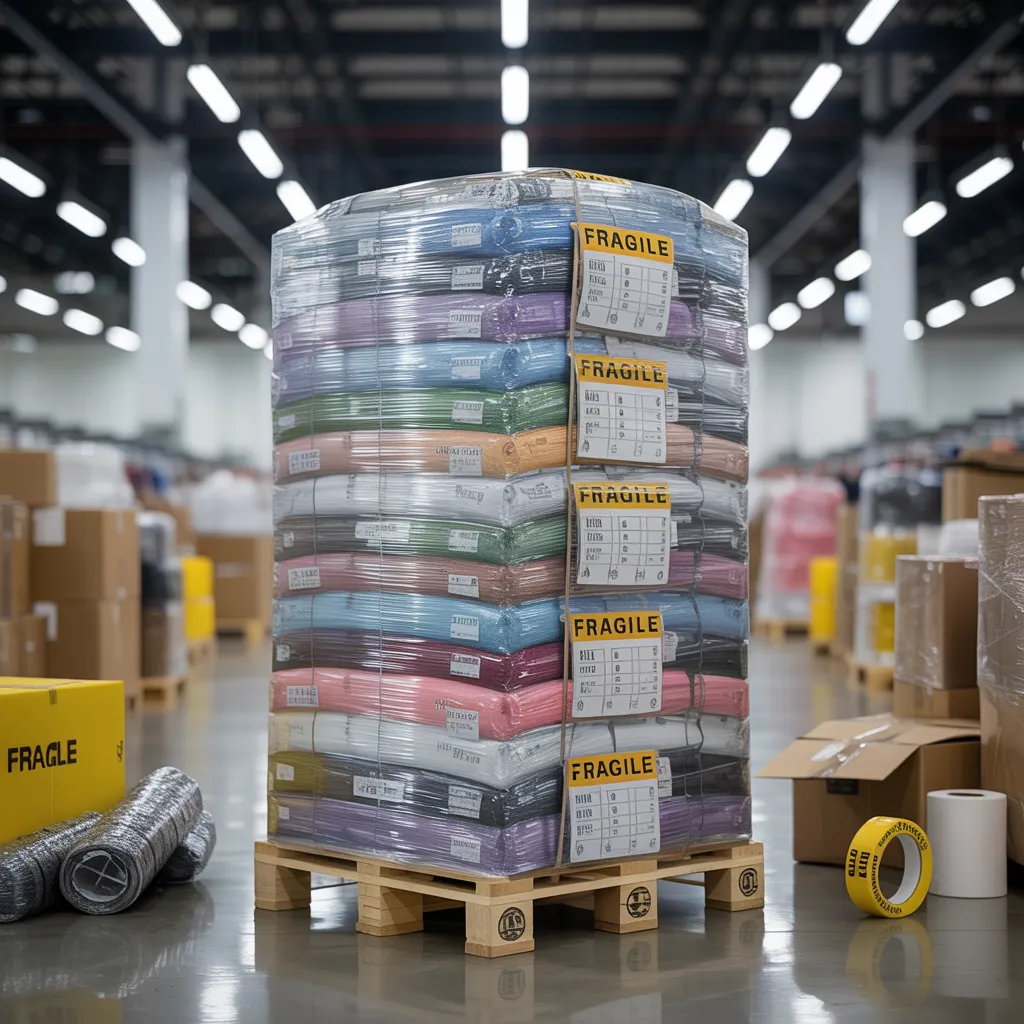
Understanding Pallet Liquidation: What It Is and How It Works
Pallet liquidation functions as an effective method for businesses to manage excess inventory efficiently. This process involves the selling of substantial volumes of unsold products, often packaged on pallets, to liquidators or resellers. Businesses dealing with excess or discontinued merchandise typically turn to liquidation to recoup a portion of their original investment.
Liquidation pallets may consist of a diverse range of merchandise, including electronics, clothing, or household goods, sourced from various retailers. Small businesses and individual entrepreneurs, among other buyers, purchase these pallets to resell the items at a profit.
The liquidation process often occurs through auctions or direct sales, providing a fast solution for organizations aiming to move their merchandise. Understanding the mechanics of pallet liquidation is vital for sellers striving to improve their inventory management as well as buyers pursuing lucrative resale opportunities in a highly competitive industry.
Main Advantages of Purchasing Liquidation Pallets
When entrepreneurs seek cost-effective ways to stock their businesses, purchasing liquidation pallets often emerges as an attractive option. Among the main advantages is the possibility of considerable financial savings, as such pallets are commonly available at a significantly reduced cost compared to retail. This provides businesses with the ability to secure inventory affordably, ultimately boosting their overall profitability.
In addition, liquidation pallets typically offer a wide variety of products, providing buyers with the option to present a diverse selection to their customers. This assortment can engage various consumer segments and improve sales.
Moreover, purchasing wholesale liquidation pallets can yield one-of-a-kind items, including discontinued or hard-to-source items, which can differentiate a business from its competition. At the end of the day, the ability to rapidly restock inventory through liquidation purchases can enhance inventory control and adaptability to market shifts. Taking everything into account, such advantages position liquidation pallets as an excellent opportunity for shrewd business professionals.
Finding the Top Liquidation Platform: Critical Factors to Review
Choosing the appropriate platform for acquiring liquidation pallets is vital for fully leveraging the advantages of resource these economical inventory solutions. Buyers should consider several key criteria when selecting a platform. Initially, trustworthiness plays a significant role; reputable platforms generally offer more consistent products and services. Additionally, openness in pricing and fees allows buyers to make educated decisions without concealed expenses. Moreover, the range of accessible products can significantly influence potential earnings; platforms with varied stock frequently serve a wide array of market demands.
Customer service is another critical aspect; prompt assistance can help purchasers navigate difficulties. Ultimately, buyer reviews and ratings deliver perspective from previous purchasers, assisting in evaluating the trustworthiness of the marketplace. Through careful assessment of these factors, buyers can better position themselves to make smart investments in liquidation pallets, securing a rewarding acquisition process.
How to Evaluate Liquidation Pallets Like a Professional
In the field of pallet liquidation, thorough inspection and market research are essential for success. A professional approach begins with examining the condition of pallets before purchase, guaranteeing that inherent worth is acknowledged. Additionally, understanding the market value of items within these pallets can lead to informed decisions and better profit margins.
Inspect Before Purchase
Evaluating liquidation pallets before purchase is essential for savvy buyers aiming to get the most from their purchase. A thorough inspection allows buyers to determine the quality and condition of the items included. First, they should identify visible damage, such as dents or broken packaging, which could signal defects in the product. Additionally, it is important to verify the number of items against the manifest, ensuring that nothing is missing. Buyers should also examine high-value items closely, as these can greatly impact total profit margins. Finally, being aware of the return policy of the liquidation company can give extra peace of mind. By carrying out a detailed assessment, buyers can make informed decisions that boost their prospects for growth in the resale market.
Investigate Market Value
Upon finishing a thorough inspection of liquidation merchandise, the next step entails assessing their market worth. This critical phase enables buyers to assess likely returns. To evaluate the market price, buyers should research similar items online using platforms like eBay, Amazon, or niche liquidation marketplaces. Checking completed sales can offer valuable information about pricing trends and demand. Additionally, consulting industry reports and forums can better clarify the present market conditions. Buyers should also take into account elements like condition, brand reputation, and seasonal trends, as such factors significantly impact resale value. By performing thorough due diligence, buyers can make informed decisions, ensuring they invest wisely and maximize their returns on liquidation merchandise investments.
Common Mistakes to Avoid When Purchasing Liquidation Pallets
While many buyers are enthusiastic to plunge into the world of liquidation pallets, various typical missteps can cause frustrating buying experiences. One significant error is failing to research the seller's reputation. Buyers should verify reviews and feedback to confirm they are dealing with a trustworthy source. Furthermore, overlooking pallet manifests can lead to unwanted discoveries. Shoppers should consistently examine the product inventory to assess possible worth.
Another common misstep is neglecting to establish a budget. Impulsive buying can swiftly drive up costs, leading to financial strain. Purchasers should also be careful not to ignore shipping fees, which can eat into potential profits.
In addition,a lot of new buyers underestimate the time and energy needed for organizing and reselling products. Thorough planning and practical expectations are necessary to avoid frustration. By staying away from these missteps, purchasers can improve their liquidation pallet experience and make better-informed choices.
Smart Strategies for Reselling Liquidation Pallets
Successfully reselling liquidation pallets requires a well-planned strategy that extends far beyond the initial purchase. A skilled reseller initiates the process by comprehensively examining the contents of each pallet, recognizing merchandise with promising resale opportunities. Studying market patterns and buyer demand can assist in determining which items are most likely to move fast and generate revenue.
Next, establishing an online presence using platforms such as social media, eBay, or Amazon can significantly boost your audience. Developing persuasive posts with clear, high-resolution images and thorough details attracts motivated shoppers. Moreover, establishing fair pricing while factoring in shipping costs can produce more rapid sales.
Connecting with fellow resellers can deliver useful perspectives and collaborative possibilities, boosting overall performance. Routinely analyzing inventory turnover helps resellers refine their methods based on results, optimizing their investment. By utilizing these methods, resellers can successfully manage the liquidation market and boost their overall profitability.
Detecting Risks in Pallet Liquidation: Important Tips
Within the field of pallet liquidation, recognizing potential risks is critical for achieving success. Key factors such as understanding product condition, researching seller reputation, and evaluating shipping costs can greatly impact outcomes. By concentrating on these factors, buyers can reach more educated decisions and lower potential risks.
Understand Product Condition
Assessing product condition is vital for buyers engaged in pallet liquidation, as it significantly affects potential profitability. Buyers must identify the differences between new, used, and damaged items inside the lots. Unused items usually yield greater selling potential, while used items might need restoration or fixing. Compromised goods pose significant risks, as they could be unsellable or may result in economic drawbacks. A thorough inspection of every product is essential, including verifying operational performance, visual defects, and missing parts. Moreover, knowing the return guidelines of suppliers can shed more light on potential risks. By accurately evaluating product condition, buyers can make educated determinations, effectively increasing their profits and reducing avoidable setbacks in the liquidation process.
Investigate Seller Credibility
A thorough understanding of product condition paves the way for a further essential element of pallet liquidation: investigating seller credibility. Purchasers should look for sellers who have demonstrated consistent reliability and transparency. This includes checking online reviews, testimonials, and ratings from previous customers. A reputable seller often provides accurate descriptions of their pallets, along with detailed photographs. Furthermore, participating in forums or social media communities focused on pallet liquidation can provide useful information about prospective sellers. Purchasers should remain cautious of sellers who are vague about their policies or previous track records. By diligently evaluating sellers, buyers can lower risks and increase their prospects for successful purchases in the pallet liquidation market.
Review Shipping Costs
Freight costs can considerably influence the overall profitability of pallet liquidation purchases. Buyers must carefully evaluate these expenses, as they can vary markedly based on shipment size, distance, and copyright. A complete awareness of likely shipping costs allows buyers to make informed decisions when selecting pallets. Moreover, unexpected surcharges, such as handling or fuel surcharges, can further inflate costs. It is vital to obtain shipping quotes from multiple carriers to evaluate costs efficiently. Purchasers ought to explore local collection alternatives, which may decrease costs and limit risks associated with extended-distance freight. At the end of the day, accurately estimating transportation fees guarantees that buyers maintain profitability in their pallet liquidation operations, making it an essential element of the acquisition process.
Questions We Often Receive
How Can I Determine the Value of a Liquidation Pallet?
To establish the worth of a liquidation pallet lot, assess its contents, study prevailing market values, account for condition and demand, and estimate potential resale profits. Comprehensive evaluation provides knowledgeable purchasing decisions and increases overall potential returns.
Am I Able to Return a Pallet if I'm Unhappy With It?
Liquidation pallet transactions are largely considered final, and return requests are usually denied. Buyers should carefully review terms and conditions before purchasing, ensuring they understand the risks involved and potential for unsatisfactory items.
What Types of Products Are Typically Found in Liquidation Pallets?
Liquidation pallets typically feature a diverse range of products, including home goods, electronics, toys, clothing, and appliances. The specific items vary by retailer, but purchasers can anticipate both new and returned merchandise in a range of conditions.
Are There Any Costs Involved With Purchasing Liquidation Pallets?
Indeed, fees associated with buying pallet liquidations can encompass delivery charges, handling fees, and occasionally a buyer's fee. Such extra costs depend on the supplier and must be considered in the total buying decision.
What Are the Best Ways to Find Local Liquidation Sales or Auctions?
To find liquidation sales and auctions in your area, individuals can browse online classifieds, join liquidation-focused social media groups, get in touch with nearby wholesalers, and subscribe to newsletters from liquidation companies for alerts on upcoming events.
Comments on “Top Deals on Pallet Liquidation”