Top Mistakes to Avoid in Pallet Liquidation: A Guide for Beginners
In the world of pallet liquidation, new entrants often encounter several challenges that can obstruct their success. Many first-time participants fail to consider essential elements such as pallet quality assessment and market research. Additionally, they may fail to account for hidden costs and the importance of networking. Each of these mistakes can significantly affect profitability. Understanding these common mistakes is critical for individuals hoping to navigate this intricate landscape effectively. Which approaches can ensure a smoother start in pallet liquidation?
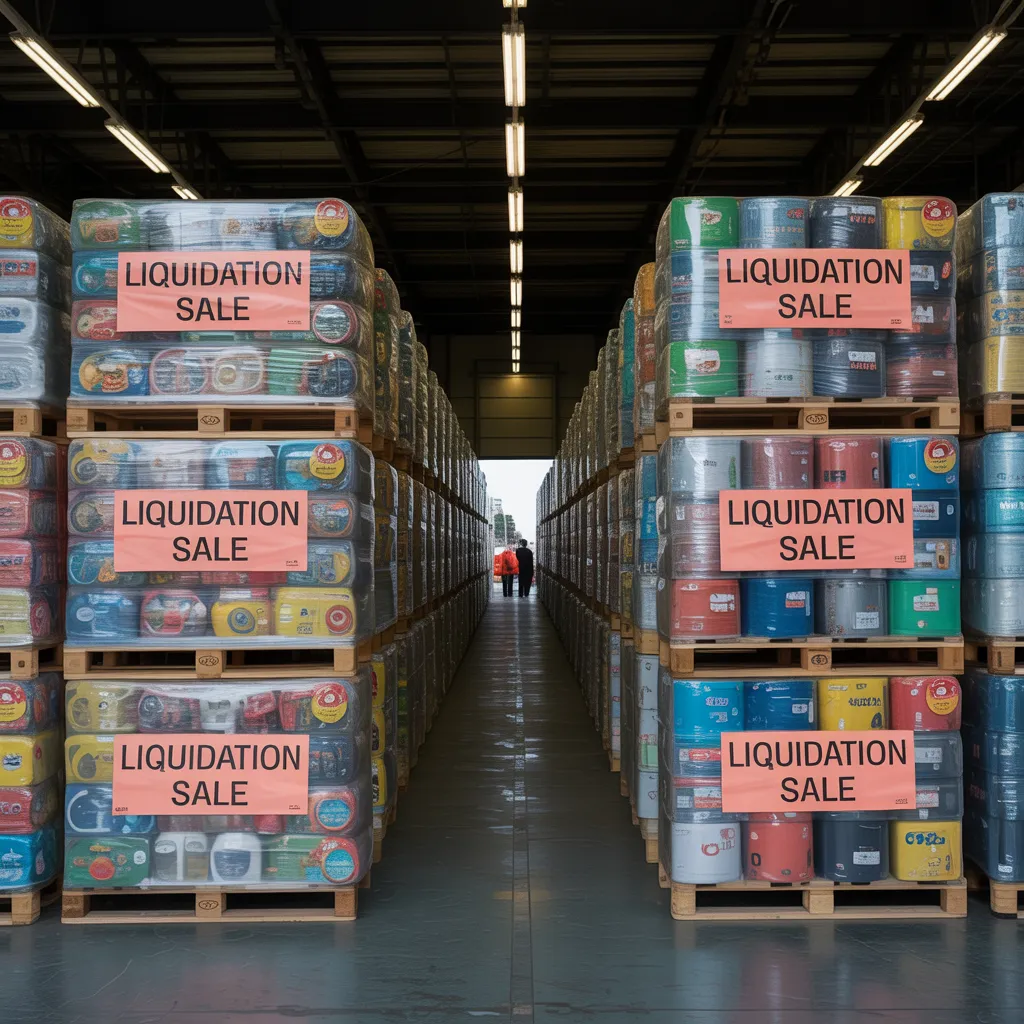
Avoid Misjudging Pallet Quality in Liquidation
In the domain of pallet liquidation, assessing quality is critical. Newcomers frequently misassess the state of pallets, which can lead to significant losses. Recognizing the difference between recoverable and unrecoverable items is crucial. A number of buyers frequently disregard surface-level damages, assuming that minor wear does not affect overall value. Yet, underlying imperfections can generate extra costs throughout the resale or disposal process.
Furthermore, relying solely on visual inspections may be deceptive. It is advisable to review product descriptions thoroughly and, where feasible, assess pallets on-site. This method assists in uncovering potential issues that may not be immediately apparent. Furthermore, knowing the market demand for particular products helps set realistic return expectations. Through conducting a rigorous appraisal of pallet integrity, liquidators can avoid costly mistakes and improve returns on their investments. Acknowledging the value of thorough quality evaluation represents an essential foundation for thriving in the pallet liquidation business.
Know the Local Regulations
When navigating the complexities of pallet liquidation, comprehending local regulations is critical to your success. Compliance with local laws can markedly impact the profitability and viability of a liquidation business. Different regions may have distinct regulations governing the resale of goods, including safety guidelines and labeling mandates. Failing to follow these regulations can result in penalties or legal action, threatening the viability of the entire operation.
Additionally, zoning regulations may affect the locations where liquidation operations are permitted. A comprehensive understanding of local bylaws can prevent significant missteps, such as setting up a warehouse in a prohibited area. Additionally, some states require tax payments on particular types of products or demand authorization for sales events. As a result, performing comprehensive research on local rules is an essential action for those looking to enter the pallet liquidation industry. Following these regulations guarantees a smoother operation and supports sustained success in the industry.
Conduct Market Research for Pallet Liquidation
Performing comprehensive market research is vital for achieving successful pallet liquidation. This involves studying local demand patterns, assessing competitor offerings, and examining pricing strategies to ensure a competitive advantage. Through understanding these key factors, companies can make well-informed decisions that enhance their liquidation efforts.
Analyze Local Demand Trends
How can understanding local demand trends greatly impact pallet liquidation success? Analyzing these trends allows liquidators to align their inventory with community needs, ensuring higher sales potential. Local demand can vary markedly based on factors such as seasonality, economic conditions, and demographic shifts. By conducting thorough market research, liquidators can identify which products are in high demand and adjust their purchasing strategies accordingly. Such understanding not only decreases unsold inventory but also boosts overall profitability. Additionally, being attuned to local preferences can help in crafting targeted marketing strategies, fostering stronger connections with potential buyers. At its core, a thorough awareness of local demand trends supplies pallet liquidators with the vital tools needed to make sound decisions and streamline their operations.
Discover Competitor Offerings
A comprehensive understanding of what competitors offer can significantly improve a pallet liquidator's competitive standing. By conducting extensive market research, liquidators can pinpoint the types of pallets and products competitors are selling, as well as their procurement methods. This insight helps in uncovering underserved market segments that could be exploited for improved returns. Additionally, assessing competitors' advantages and shortcomings allows liquidators to distinguish their products and services, ensuring they better satisfy customer needs. Reviewing customer feedback on competitor products can provide valuable information on product standards and service requirements. Ultimately, studying rival product selections equips pallet liquidators with the understanding necessary to refine their approach and strengthen their standing in a challenging marketplace.
Evaluate Pricing Strategies
Assessing price structures is essential for liquidation businesses aiming to maximize profitability. To develop successful pricing, sellers must perform comprehensive market research, analyzing the consumer interest in specific goods and rival listings. Recognizing location-based price fluctuations and seasonal trends can shed light on ideal pricing structures. Furthermore, assessing acquisition costs with potential resale values assists in discovering viable profit opportunities. Sellers should also account for customer demographics; customizing pricing structures to distinct purchasing audiences can enhance sales. Furthermore, implementing adaptable pricing models, such as discounts for bulk purchases or promotional sales, can draw in a larger audience. At the core, a well-informed pricing strategy not only enhances revenue but also establishes the reseller favorably among industry rivals.
Spotting Hidden Costs in Pallet Liquidation
Within pallet liquidation, concealed expenses can significantly impact profitability. Unforeseen shipping charges, bidding platform expenses, and losses from unsold inventory frequently go overlooked. Identifying these expenses is essential for a successful liquidation strategy.
Surprise Delivery Costs
While exploring pallet liquidation opportunities, one critical area often overlooked is the potential for unexpected shipping fees. Many beginners focus on the cost of the inventory itself but overlook the extra costs connected to shipping the pallets. Transportation charges can fluctuate considerably based on the vendor's geographical position, the size of the shipment, and the preferred freight provider. Furthermore, some sellers may charge extra for shipping services or require buyers to arrange their own shipping, further complicating the process. To avoid unpleasant surprises, it is necessary to establish shipping details before concluding a deal. Recognizing these charges can eliminate significant financial overages, providing a more reliable financial analysis of the complete liquidation undertaking.
Bidding Platform Costs
Maneuvering through the terrain of pallet liquidation frequently uncovers a complex network of auction platform charges that can greatly impact financial returns. Many newcomers ignore these hidden costs, which can include listing fees, end-value fees, and payment processing charges. All platforms maintain distinct fee arrangements, and being aware of these can avoid unforeseen monetary setbacks. Moreover, some auctions may apply additional buyer fees that add to the overall payment amount. It is essential for beginners to diligently study the service agreements and cost breakdowns before committing to any platform. By being vigilant about these fees, liquidators can more effectively gauge their total investment and potential returns, ultimately leading to more informed purchasing decisions.
Inventory Loss From Unsold Goods
Recognizing losses from unsold inventory is critical for those engaged in get details pallet liquidation. Products that go unsold can generate costs that significantly affect profitability. To begin with, there are holding costs, which increase with time as products remain unsold. Additionally, leftover products can trigger markdowns or clearance sales, further diminishing expected returns. Additionally, the possibility of deterioration or damage rises over time, leading to mounting financial obligations.
Moreover, enterprises often overlook the opportunity cost of funds tied up in unsold stock, which could have been allocated to other ventures. A comprehensive assessment of excess stock helps operators to arrive at well-informed conclusions, limit potential losses, and enhance future acquisition strategies. Identifying these concealed expenses is vital to sustaining a successful liquidation business.
Grow Your Network
Building a solid set of connections is vital for those entering pallet liquidation. Creating ties with professionals in the industry, suppliers, and other professionals in liquidation can substantially increase valuable opportunities and market knowledge. Connecting with local businesses, participating in trade shows, and joining online forums can foster relationships that deliver key knowledge about pallet sourcing strategies and current market trends.
Moreover, networking may result in valuable partnerships, allowing for joint purchasing or exchanged insights on effective selling strategies. By connecting with veteran liquidators, beginners can gain mentorship, receiving guidance on steering clear of common pitfalls.
Additionally, dedicated online communities and social media channels act as outstanding resources for building a wider professional network. Regular interaction in these spaces can help identify potential buyers and suppliers. In the end, a robust network goes beyond being a mere support system; it is a vital component that can propel a novice's journey in the liquidation pallet industry.
Essential Sales Strategies for Pallet Liquidation
Perfecting sales strategies for pallet liquidation can substantially affect profitability. Recognizing market trends is vital; vendors should conduct thorough research to discover which products are gaining traction and drawing interest from shoppers. Pricing models also serve a critical function; well-positioned pricing can attract buyers while ensuring a reasonable profit margin.
Utilizing online platforms for selling can expand the pool of potential buyers, helping sellers to connect with a larger customer segment. Strategic sales approaches, such as crafting compelling listings with professional images and detailed descriptions, can boost exposure and attractiveness.
Cultivating connections with returning customers encourages trust and loyalty, which can generate reliable revenue. Ultimately, offering promotions or discounts can stimulate interest and encourage quicker sales, reducing excess inventory. By following these methods, newcomers can manage the challenges of pallet liquidation and maximize their returns.
Frequently Asked Questions
What Is Pallet Liquidation, and How Does It Work?
Pallet liquidation encompasses acquiring surplus or returned products, typically in wholesale quantities, from wholesalers or retailers at a reduced price. Customers receive pallets filled with assorted items, spanning from electronics to apparel, which they can then resell individually or in smaller batches. The process typically includes participating in liquidation auctions or buying directly from liquidation suppliers. Achieving success in this industry demands an understanding of market demand and effective inventory management to optimize earnings.
Where Can I Locate Trustworthy Liquidation Suppliers?
To locate trustworthy suppliers in the liquidation industry, one should start by exploring online directories and discussion forums where experienced buyers share their insights. Going to trade shows and professional networking events can also provide valuable connections. Confirming supplier qualifications and reading customer reviews assists in developing a sense of reliability. Moreover, requesting suggestions from professional peers may point you toward dependable resources. It's crucial to compare pricing and terms to guarantee a fair deal, which ultimately promotes a favorable procurement experience.
What Types of Items Are Commonly Included in Liquidation Pallets?
Liquidation pallets generally feature a wide variety of items, including electronics, clothing, home goods, furniture, and toys. Such merchandise commonly stems from overstock, returns, or discontinued lines, leading to varying conditions from new to damaged. Sellers may feature products from recognizable brands, presenting profitable opportunities for resellers. However, the specific contents can vary greatly, requiring buyers to carefully research and examine pallets prior to purchasing to maximize their investment.
How Do I Determine the Resale Value of Liquidation Items?
To determine the resale value of closeout merchandise, it helps to search for related products digitally to gauge market prices. Browsing comparable items on platforms like eBay or Amazon can reveal useful data on present market demand and price fluctuations. Furthermore, taking into account the product's condition, brand reputation, and any included accessories can impact overall worth. To conclude, accounting for delivery expenses and regional competition makes it easier to determine a fair yet lucrative resale price.
What Are the Most Common Mistakes Beginners Make in Pallet Liquidation?
Common pitfalls for beginners in pallet liquidation include failing to account for expenses like shipping and handling fees, which can heavily influence profit margins. A large number of beginners also neglect to investigate the market worth of products, resulting in misguided buying choices. Moreover, disregarding effective inventory management strategies can cause products to remain unsold. New sellers may also fail to carefully examine pallets before purchase, jeopardizing their funds by purchasing defective or unmarketable merchandise. In the end, a lack of understanding of local rules and regulations can result in compliance problems.
Comments on “Leading Experts for Pallet Liquidation”